Understanding the psychological tactics that influence casino behavior
The Allure of Rewards and Incentives
Casinos are designed to entice players through various rewards and incentives, triggering psychological responses that foster a sense of excitement. The immediate gratification associated with winning—whether it be a small jackpot or a series of free spins—reinforces positive behaviors, encouraging players to continue playing. This connection between rewards and behavior is a powerful motivator, driving individuals back to the tables or slots, often before they have fully processed their previous losses.
Moreover, casinos often employ loyalty programs that give players further reason to engage. These programs create a tiered system of rewards, which can make players feel special and valued as they ascend through different levels. The psychological principle of “loss aversion” comes into play here; players are more motivated to continue gambling to avoid losing the benefits they have already accrued. By structuring rewards that are not immediately accessible, casinos increase the desire to keep playing, tapping into the player’s need for recognition and achievement.
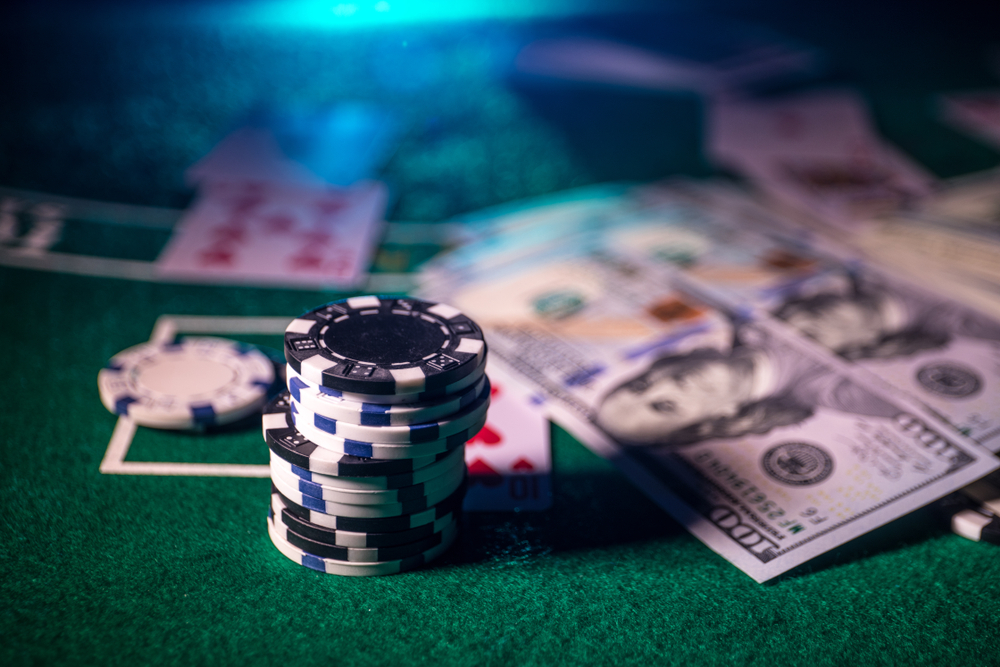
The use of promotional offers, such as welcome bonuses and free bets, further amplifies the allure. These promotions act as gateways to a more expansive gaming experience, allowing players to engage without an initial substantial investment. This low barrier to entry creates an environment ripe for exploration and experimentation, which further encourages players to invest their time—and often money—into the gaming experience, driven by the hope of larger rewards that could be just around the corner.
The Environment: Sound and Visual Stimuli
The ambiance of a casino is carefully curated to create an engaging experience that stimulates the senses. High-energy sounds, flashing lights, and vibrant colors serve to immerse players, enhancing their emotional state. Research shows that these sensory elements can significantly influence decision-making, as players become entranced by the atmosphere. The sounds of coins clinking or the cheers from nearby tables create an auditory landscape that evokes excitement, increasing the desire to participate.
Visual stimuli play a critical role as well. Brightly lit machines, colorful graphics, and thematic decorations can capture attention and keep players engaged longer than they might have initially intended. The casino’s layout is often designed to guide players through a maze of excitement, encouraging them to explore different areas and games. This manipulation of space, combined with sensory overload, can lead to a disorientation that makes it challenging for players to keep track of time and money spent.
Furthermore, the design of slot machines and tables often employs strategies such as near-miss outcomes, which can create a false sense of winning. Players may perceive that they were “close” to winning, making them more likely to continue playing in hopes of achieving that elusive jackpot. This psychological tactic exploits the brain’s wiring and reinforces the idea that winning is just within reach, which further complicates the relationship between gambling and reality.
The Role of Social Influence
Human behavior is heavily influenced by social interactions, and this is especially true in the context of gambling. Casinos are social environments where players can experience a sense of camaraderie and competition. Observing others win can create a desire to join in, motivating individuals to engage in gambling activities they might not have considered otherwise. The shared excitement of winning can make the atmosphere infectious, leading to increased participation.
The presence of live dealers and other players adds an additional layer to the social experience. Games like poker emphasize the need for strategic thinking and bluffing, which can engage players mentally and socially. This dynamic interaction fosters a sense of belonging, as players often feel part of a community when participating in these activities. The social connections formed in these settings can increase loyalty to a casino, as players seek to relive the thrill of shared experiences.
Moreover, the concept of “losses disguised as wins” can be amplified in social settings. When players share stories of near-wins or celebrate small victories with friends, they may misinterpret these moments as indicators of potential success. This misperception can encourage further gambling, as players become invested in their social identity as part of the gaming community. The desire to maintain this social image can lead to continued play, even when it may not be in their best financial interest.
The Impact of Personal Psychology
Understanding the individual psychological makeup of gamblers is crucial in deciphering their behavior in casinos. Factors such as personality traits, risk tolerance, and emotional states can significantly influence gambling decisions. For instance, individuals with a high tolerance for risk may be more inclined to engage in high-stakes games, while those who are more risk-averse might prefer lower-stakes options. These predispositions can affect not only how much they gamble but also the strategies they employ.
Emotional states can further complicate gambling behavior. For instance, individuals may turn to casinos to cope with stress, anxiety, or even boredom. This tendency to seek escapism through gambling can create a cycle of reliance, where the individual repeatedly returns to the casino to relieve negative emotions, often leading to financial and emotional pitfalls. The anticipation and eventual gratification can serve as a temporary balm for life’s stresses, complicating the player’s relationship with gambling.
Additionally, cognitive biases such as the gambler’s fallacy can skew decision-making. Players may believe that past outcomes will influence future events, leading them to make illogical bets. This cognitive distortion can be particularly harmful, as it can result in chasing losses or making impulsive decisions based on flawed reasoning. Understanding these psychological nuances is vital for both players and the gaming industry, as they influence gambling behaviors profoundly.
Golisimo Casino: A Unique Gaming Experience
stands out in the online gaming landscape by providing a secure and engaging environment for players. With an impressive selection of over 3,000 games, including modern slots and live dealer options, it caters to various preferences and play styles. The casino’s commitment to a user-friendly experience ensures that players can easily navigate through their favorite games, making it a popular choice for enthusiasts in the Middle East.
The platform not only supports traditional banking methods but also embraces cryptocurrencies, allowing for efficient and secure transactions. This flexibility appeals to a diverse range of players, enhancing their overall experience. Furthermore, ‘s array of promotions and a multi-tier loyalty program rewards both new and returning players, fostering a sense of community and engagement that resonates well with its users.
As players explore the psychological tactics that influence casino behavior, exemplifies how a well-structured environment can enhance user experience. By understanding and leveraging these psychological principles, has created a compelling space for players to enjoy their gaming journey, making it a preferred destination for those seeking both entertainment and rewards.